Carlos Gargaté School Cluster

Official Organisation Name
Carlos Gargaté School Cluster
Address
Frederico de Freitas Square, 2821-002 Charneca de Caparica
City & Country
Charneca de Caparica, Portugal
type of organisation
Other
Organisation overview
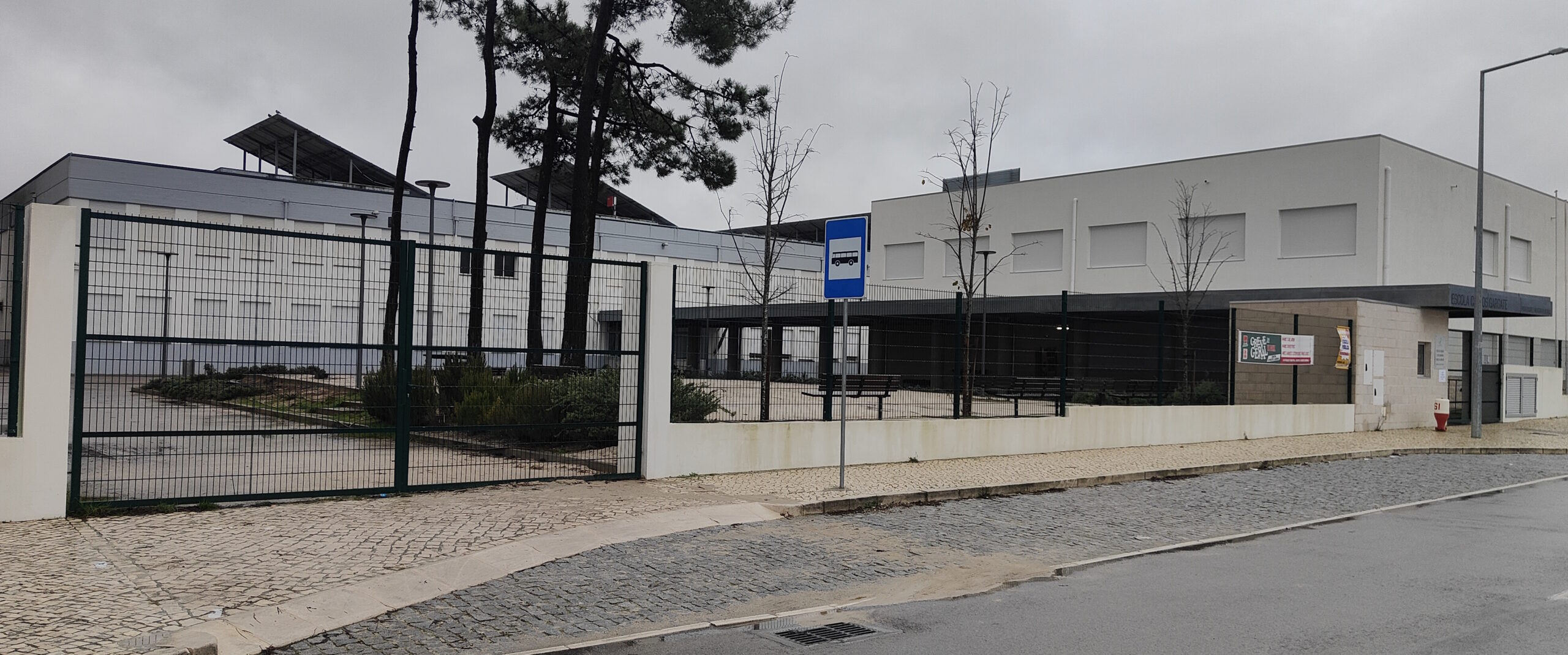
With 118 teachers, 1579 students between 4 and 16 years old in 63 classes, and 51 support staff, Agrupamento de Escolas Carlos Gargaté (AECG) is a cluster of three public schools that provide compulsory education from kindergarten to secondary (12th grade).
From the beginning, AECG has been an institution pilot in several areas, including curricular changes, educational technologies, reading habits, health, and the well-being of the scholar community. Some of the projects initiated in AECG became part of Portugal’s national policy.
The scope of AECG is to provide compulsory education and prepare students for university and active life, developing social and ethical values, educating for autonomy, assertive intervention, and responsibility.
For the four years 2024/2028, AECG defined 4 priority intervention axes and 20 objectives distributed across the respective axes:
- Learning and Integral Development of the Student
- Innovation and Use of Technologies
- Well-being and School Environment
- Management and Planning
Some of those 20 objectives are:
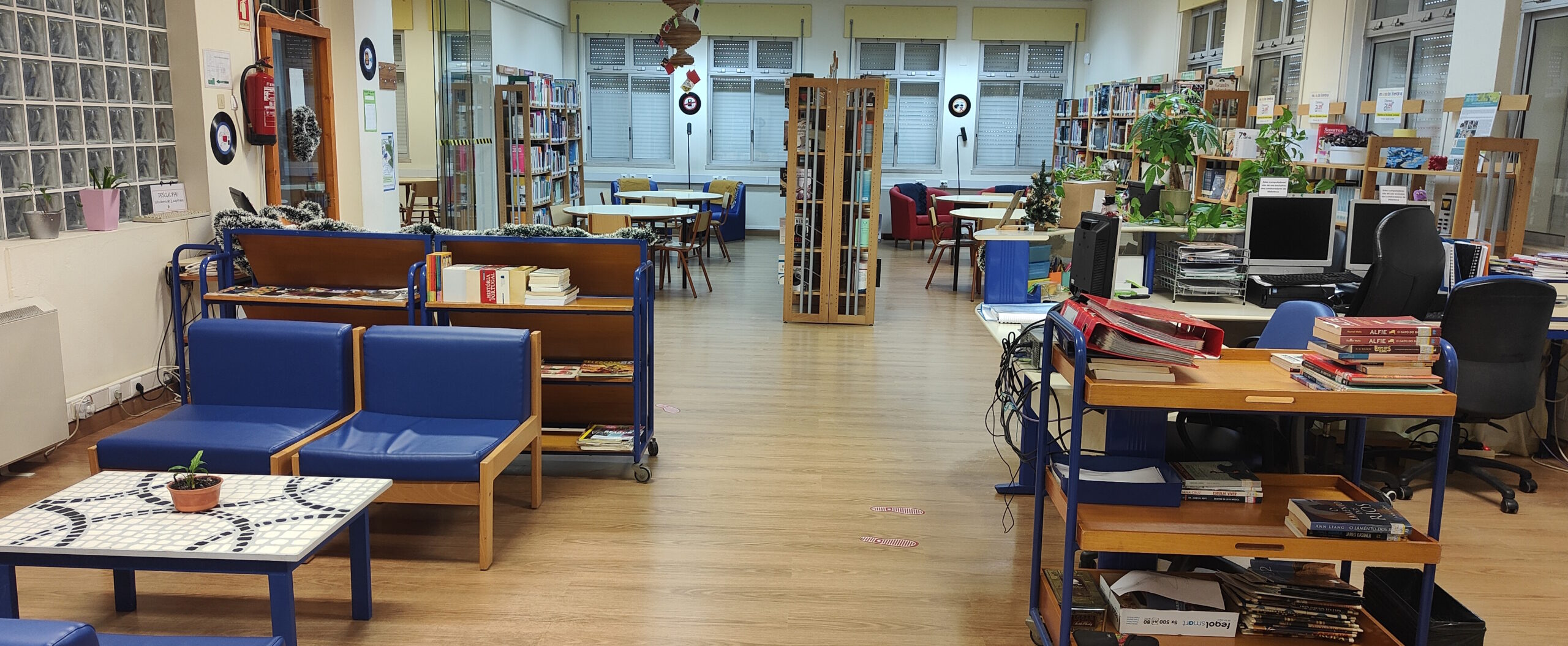
- Get more readers, improving the use of the School Library
- Improve the use of ICT as a common educational resource
- Improve the performance in the main subjects – Portuguese and Maths
- Improve the quality of the success
- Expand the physical education program among students
- Improve environmental awareness and fight climate change.
Role in the PROTECT Project
- Host the final hybrid PROTECT conference.
- Host one five-day face-to-face Learning, Teaching, and Training (LTT) course, arranges logistics (venue, accommodation, catering), organises school visits and visits to local environmental initiatives. Contributes to LTT content, actively participates in discussions, and provides feedback.
- Organise local symposia to showcase project work; contribute to promotional materials (articles, interviews, etc.); manage social media engagement.
- Conducts research, creates a detailed case study (written and filmed) documenting their experiences implementing the PROTECT approach.
- Collaboratively develop the Teacher Toolkit. Regularly update the project website.
- Establishes Climate Action Partnerships (CAPs) in their respective schools. Assigns trained mentors to work directly with classes, overseeing Climate Change lesson delivery, establishing the CAP, providing advocacy training, and organising showcase events.
- Maintains comprehensive financial records; submits certified timesheets, invoices, and receipts for all transactions. Internal audits are conducted, with annual external audits by the Irish Department of Education.
- Collaboratively develop and maintain a detailed project schedule (milestones, deliverables, deadlines), reviewed and updated regularly at Product Development Team meetings. Use standardised timesheets and reporting templates to track progress consistently.
- Collaboratively develop and regularly review a risk assessment matrix, identifying and addressing potential risks throughout the project.
EU / International Project Experience
In the European Development Plan, AECG has already participated in 15 projects financed by the European Commission, from Comenius projects to Erasmus projects, in which its teachers and students have had the opportunity to learn and exchange experiences with professionals from 23 other countries.
One of those projects was the Erasmus+ KA2 STEMing project (Engaging Students in the creation of their own STEAM learning), in collaboration with institutions from Ireland, Greece, Norway, and Croatia. After that, AECG has been developing an internal project that aims to extend the STEAM methodology in pedagogical practice, thus contributing to the development of skills of students for the 21st CENTURY.
Another Erasmus+ KA2 project in which AECG participated, called STEPs, aimed to raise students’ awareness of environmental issues and climate change and was developed in partnership with schools in Sweden, Germany, and Italy.
Since 2023 and until 2027, our organisation has been accredited by the National Erasmus+ Agency in the field of School Education, with financed mobilities already being developed for the third year of implementation of the accreditation.
Official Organisation Name
Agrupamento de Escolas Carlos Gargaté
Address
Pracete Frederico de Freitas, 2821-002 Charneca de Caparica
City & Country
Charneca de Caparica, Portugal
type of organisation
Other
Organisation overview
Com 118 professores, 51 funcionários e 1579 alunos, entre os 4 e os 16 anos, distribuídos por 63 turmas, o Agrupamento de Escolas Carlos Gargaté (AECG) é um conjunto de três escolas públicas que ministra o ensino obrigatório desde o jardim de infância até ao ensino secundário (12.º ano).
Desde o início, o AECG tem sido uma instituição piloto em diversas áreas, incluindo alterações curriculares, tecnologias educativas, hábitos de leitura, saúde e bem-estar da comunidade escolar. Alguns dos projectos iniciados no AECG passaram a fazer parte da política nacional portuguesa.
O objetivo do AECG é proporcionar o ensino obrigatório e preparar os alunos para a universidade e para a vida ativa, desenvolvendo valores sociais e éticos, educando para a autonomia, a intervenção assertiva e a responsabilidade.
Para o quadriénio 2024/2028, a AECG definiu 4 eixos prioritários de intervenção e 20 objetivos distribuídos pelos respetivos eixos:
- Aprendizagem e Desenvolvimento Integral do Aluno
- Inovação e Utilização de Tecnologias
- Bem-estar e Ambiente Escolar
- Gestão e Planeamento
Alguns desses 20 objetivos são:
- Aumentar o número de leitores, melhorando a utilização da Biblioteca Escolar
- Melhorar a utilização das TIC como recurso educativo comum
- Melhorar o desempenho nas principais disciplinas – Português e Matemática
- Melhorar a qualidade do sucesso escolar
- Alargar o programa de educação física entre os alunos
- Aumentar a sensibilização ambiental e combater as alterações climáticas.
Role in the PROTECT Project
- Organizar a conferência final, híbrida, do PROTECT.
- Organizar um curso presencial, de cinco dias de Aprendizagem, Ensino e Formação (AET), cuidar da logística (localização, alojamento, alimentação), organizar visitas a escolas e a iniciativas ambientais locais. Contribuir para o conteúdo do AET, participar ativamente nas discussões e fornecer feedback.
- Organizar simpósios locais para apresentar o trabalho do projeto; contribuir para materiais promocionais (artigos, entrevistas, etc.); gerir a participação nas redes sociais.
- Realizar pesquisas, criar um Estudo de Caso detalhado (escrito e filmado) e documentar as experiências na implementação da abordagem PROTECT.
- Desenvolver em conjunto o Kit de Ferramentas para Professores. Atualizar regularmente o site do projeto.
- Estabelecer Parcerias de Ação Climática (PACs) nas respetivas escolas. Designar mentores formados para trabalhar diretamente com as turmas, supervisionando a aplicação das aulas sobre Alterações Climáticas,
Oferecer apoio à formação e organizar eventos para apresentar o trabalho desenvolvido. - Elaborar e manter, em conjunto com a equipa, um cronograma detalhado do projeto (eventos, resultados, prazos), revisto e atualizado regularmente nas reuniões da Equipa de Desenvolvimento de Produto.
- Manter um registo atualizado das tarefas e usar modelos de relatórios normalizados, para acompanhar o progresso de forma consistente.
- Elaborar e rever, em conjunto com a equipa, uma matriz de avaliação de riscos, identificando e abordando os potenciais riscos ao longo do projeto.
EU / International Project Experience
No âmbito do Plano Europeu de Desenvolvimento, a AECG já participou em 15 projetos financiados pela Comissão Europeia, desde projetos Comenius a projetos Erasmus, nos quais os seus professores e alunos tiveram a oportunidade de aprender e trocar experiências com profissionais de outros 23 países.
Destacamos o projeto STEMing (Engaging Students in the creation of their own STEAM learning), em colaboração com instituições da Irlanda, Grécia, Noruega e Croácia. Depois disso, a AECG desenvolveu um projeto interno que visa expandir a metodologia STEAM na prática pedagógica, contribuindo assim para o desenvolvimento de competências dos alunos para o século XXI.
Realce também para o projeto Erasmus+ KA2 em que a AECG participou, denominado STEPs, que teve como objetivo aumentar a consciencialização dos alunos sobre as questões ambientais e as alterações climáticas e foi desenvolvido em parceria com escolas da Suécia, Alemanha e Itália.
Desde 2023 e até 2027, a nossa organização está acreditada pela Agência Nacional Erasmus+ na área da Educação Escolar, estando as mobilidades financiadas já em desenvolvimento para o terceiro ano de implementação da acreditação.
contact person
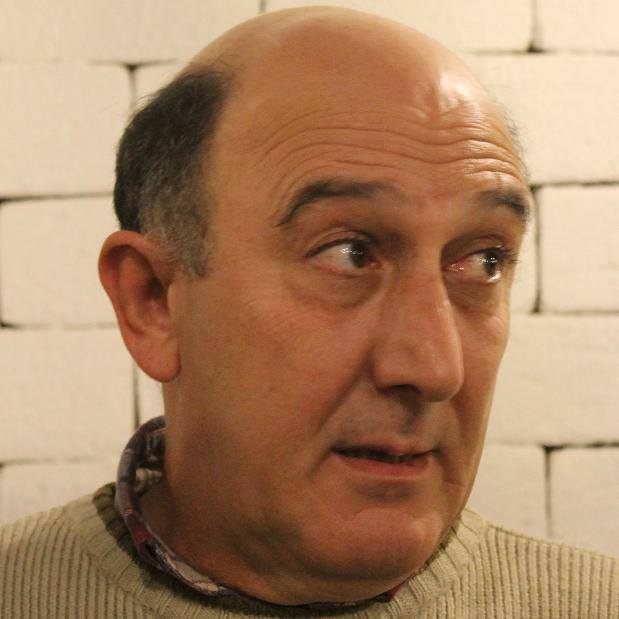
Rui Páscoa
Role in Organisation
Visual and Technological Education teacher, School Technological Plan coordinator, Examination Secretariat member, 51 / 5.000 Member of the coordinating team for European projects.
Role in the PROTECT Project
Portuguese PROTECT coordinator, member of the Product Development Team.
Teacher since 1883, he taught Electrotechnics, ICT, and Visual and Technological Education. Between 1997 and 2002, he participated, under a full-time secondment regime, in the Nonius 21st Century program (Ministry of Education) and in the Internet in Schools Program (Ministry of Science and Technology). He was president of Educom (Portuguese Association of Educational Telematics) and director of the Teacher Training Centre. Master’s degree in eLearning Pedagogy.